Introduction
Cooking is an art, but it doesn’t have to be time-consuming or stressful. Regardless of your level of cooking experience, a few clever tips can make your time in the kitchen more productive and easy.
You can reduce food waste, save time, cook more efficiently, and even improve the taste of your food by using these 15 tips. From resolving troublesome pans to preserving fresh produce, these straightforward suggestions are useful, simple, and genuinely transformative.

Use baking soda and vinegar to clean tough pots.
Avoid scrubbing stains that have burned on. Watch the pot bubble after adding a splash of white vinegar and sprinkling baking soda on it. After a few minutes, dirt is removed naturally and without the use of harsh chemicals with a mild scrub. Soak it overnight for tough stains.
Fresh Herbs Freeze in Olive Oil
Fresh herbs should not be thrown away because they spoil quickly. Cut them up, put them in a tray with ice cubes, and drizzle with olive oil. Stop. Add the tasty cubes directly to sauces, stews, or soups. Richer dishes also benefit from the use of butter.
To Stop Tears, Soak Onions in Cold Water
Before chopping, peel the onions and soak them in cold water for ten minutes to prevent tears. The flavor is the same, but there is less eye irritation.

Bananas should be separated for slow ripening.
The gas released by bananas accelerates the ripening process. After separating each banana, cover the stems with foil or plastic wrap. This prolongs their freshness by three to four days.
Ginger should be kept in the freezer.
Fresh ginger quickly shrivels or molds. After peeling, store it in an airtight container and freeze it. When you need it, grate straight from the freezer—the flavor lasts for months.
Bring Water to a Boil and Add Salt
In addition to seasoning food, adding salt to boiling water slightly raises the boiling point, which facilitates faster cooking.
When reheating rice, rehydrate it.
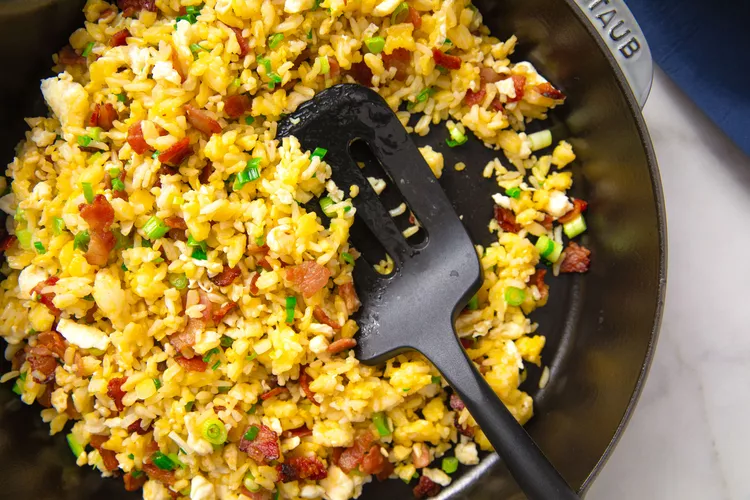
Rinse dry, reheated rice with a little water, cover with a damp paper towel or lid, and then microwave to revive it. The grains are softened by the steam.

Eliminate Fish Smells with Lemon or Garlic
Hands that smell strongly of fish or garlic can be quickly removed by rubbing them with half a lemon and then rinsing them with warm water.
Use paper towels to keep lettuce crisp.
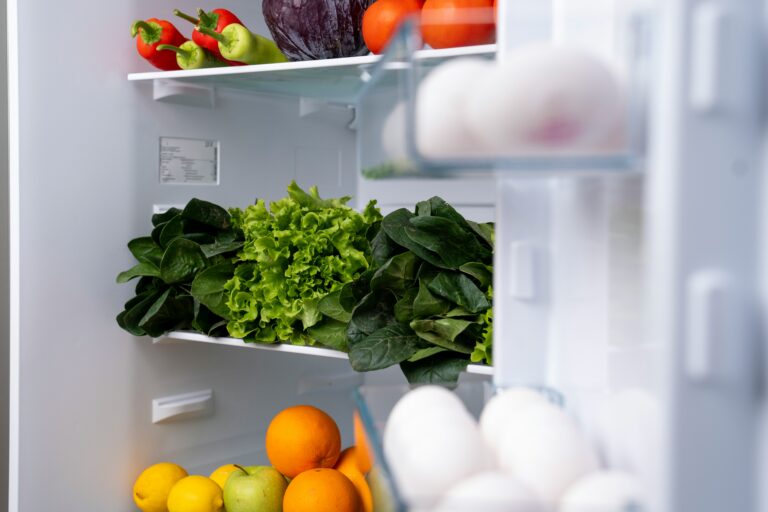
Clean the lettuce well, then wrap it loosely in paper towels and store it in a zip-lock bag or container. The leaves stay crisp for up to a week thanks to the towels’ ability to absorb moisture.
Use ice cubes to degrease soups or curries.
Add some ice cubes to your dish if it’s too greasy. Fat solidifies in the cold and floats to the top, where it is easy to skim off.
Maintain Spreadable Butter at Room Temperature
Keep a small quantity of butter on hand in a butter bell or an airtight container. It remains soft and spreadable for several days in a cool kitchen.
Make Knives Sharper with a Ceramic Mug
Not even a sharpener? Use the unglazed rim of a ceramic mug as an honing surface by turning it upside down. A few times on each side, gently drag the knife’s blade across the edge while holding it at a 20° angle.

To peel boiled eggs, use a spoon.
Using a spoon makes it easier to peel boiled eggs. Break the shell all over, then move a spoon between the shell and the egg white and around the egg to remove it cleanly.
Use salt to quickly clean up oil spills.
Spills of kitchen oil should be salted. It easily removes the mess from counters and stovetops by absorbing the grease.
For simple flavor boosts, freeze leftover broth.
Don’t throw away any leftover vegetable or chicken broth. Store the cubes in a freezer bag after freezing them in ice cube trays. Anytime you want, add these flavorful cubes to rice dishes, soups, or sauces.
You’ll cook more quickly, waste less, and have more fun in the kitchen if you incorporate these 15 tips into your daily routine. Cooking becomes less stressful and more enjoyable with these simple yet powerful tips that streamline meal preparation and cleanup. See the difference when you use a few the next time you cook!