Is it annoying to purchase fresh food only to have it deteriorate or go bad in a matter of days? Thankfully, this frequent problem is frequently preventable, even though it impacts many homes. You may minimize waste and save money by utilizing clever storage strategies to keep your goods fresh for weeks. Whether you are a frequent chef or not, these 15 suggestions will revolutionize the way you store food and arrange your kitchen.
Handle Herbs Like Flowers
Trim the stems of the herbs (mint, cilantro, and parsley) and put them in a jar with water. Refrigerate after loosely covering with a plastic bag. To keep herbs green and fresh for more than a week, change the water every few days.
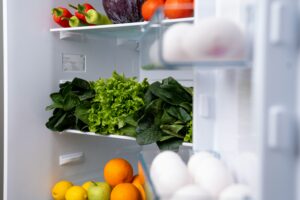
When handling leafy greens, use paper towels.
Greens deteriorate when they become wet. To absorb extra water and maintain crisp leaves, wrap kale, spinach, and lettuce in paper towels before putting them in bags.
Freeze Bananas That Are Too Ripe
Peel and freeze soft bananas in secure packages rather than throwing them out. They preserve taste and reduce waste, making them ideal for smoothies, banana bread, and pancakes.
Keep potatoes and onions separate.
Potatoes and onions deteriorate more quickly when stored together. To increase their shelf life by up to a month, store potatoes in a cool, dark area away from light and onions in vented bags.
Dry goods should be kept in glass jars.
Glass containers seal better than plastic ones for rice, lentils, beans, and grains, keeping moisture and pests out while retaining flavor.
Cover the garlic and ginger with dry medium.
To keep fresh ginger and garlic fresh for weeks, soak them in dry sand or uncooked rice to absorb moisture and inhibit mold from growing.
Ice Cubes with Olive Oil to Preserve Herbs
Fresh herbs (parsley, thyme, and basil) should be chopped, placed in ice cube trays, covered with olive oil, and frozen. For immediate flavor increases, toss cubes into hot pots.
Use a vinegar solution to wash berries.
To eliminate germs and prolong freshness by three to five days, rinse berries or grapes in a solution of one part vinegar to three parts water before storing them in the refrigerator.
Keep apples apart.
Ethylene gas, which apples emit, accelerates the ripening of other fruits. To prevent other products from spoiling too soon, keep apples alone.
Store snacks in airtight containers to keep them fresh.
Place the opened cookies, crackers, and chips in resealable bags or airtight containers. To keep snacks crispy for longer, add a package of food-safe silica gel.
Keep eggs within their original cartons.
To maintain a consistent temperature and avoid odor absorption, keep eggs in their cartons on a middle shelf rather than in the door.
Put dates on food labels.
Put storage dates on frozen foods and leftovers. By doing this, you can keep track of freshness and avoid consuming ruined food.
Prevent Browning of Cut Fruit
To keep fruits like avocados and apples from browning and oxidizing, brush their exposed surfaces with lemon juice.
Use breathable paper to wrap the cheese.
To prevent moisture accumulation and mold, use wax paper or parchment paper instead of plastic wrap to allow cheese to breathe.
Avoid Putting Too Much in Your Refrigerator
Uneven temperatures and quicker spoiling are avoided with adequate ventilation. To make your refrigerator function more effectively, leave space between objects.
Bonus Tip:
To keep the area smelling fresh, put an open box or dish of baking soda inside the refrigerator to absorb and neutralize scents.
Concluding remarks
Food will remain fresher for longer if you follow these 15 easy storage recommendations, which will also save you money, time, and waste. Your kitchen will become more organized and efficient with a little forethought. Implementing these strategies now will result in better food quality and less shopping costs.